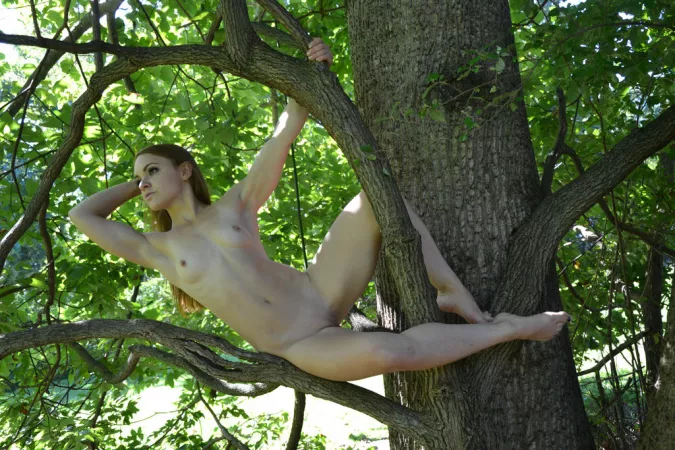
This stunning lady right here is our wrangler, for dealing with aggressive or territorial wild females. It's less traumatic for them and better optics for us to have a woman do it. Very good optics, I must say.
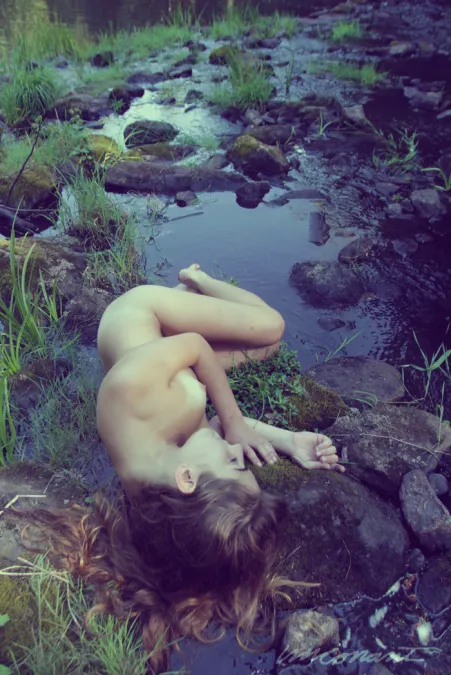
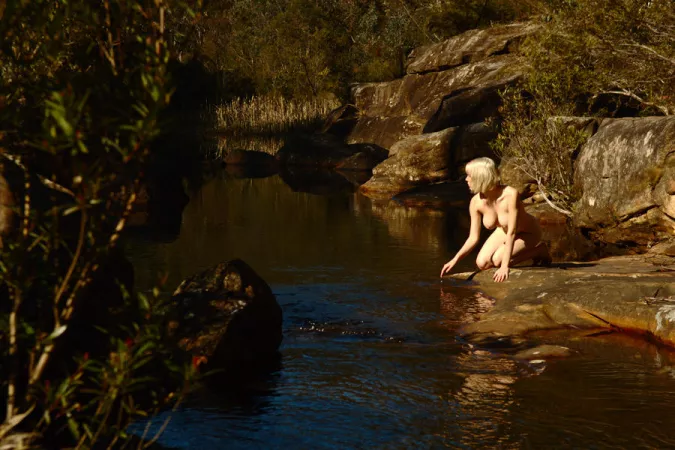
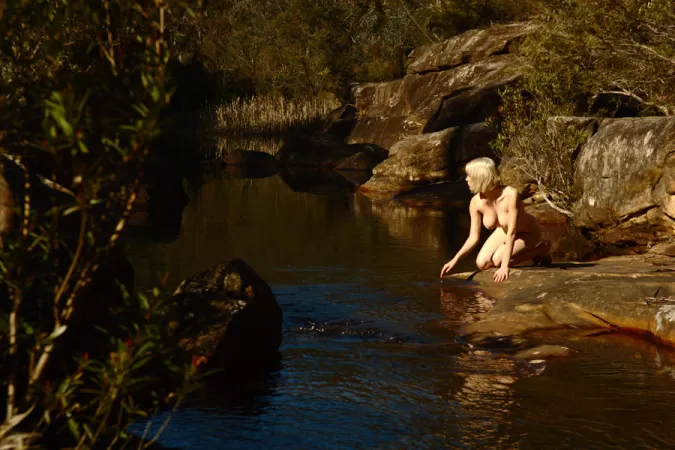
With most parts of the the preserve lacking the threat of predation or hunting, most females don't really care to hide as this female napping just beside a stream kindly demonstrates
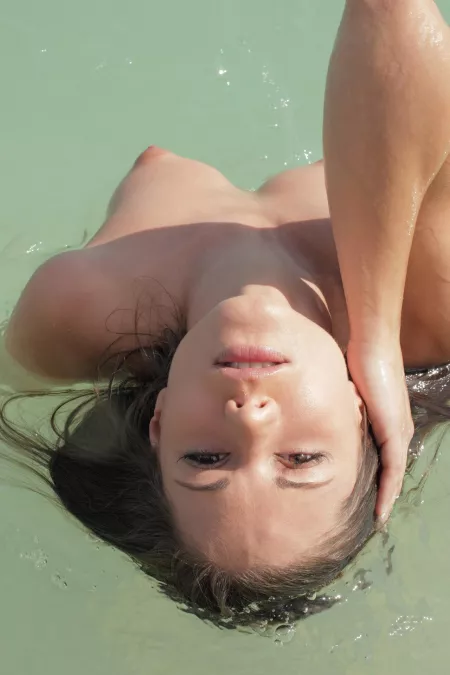
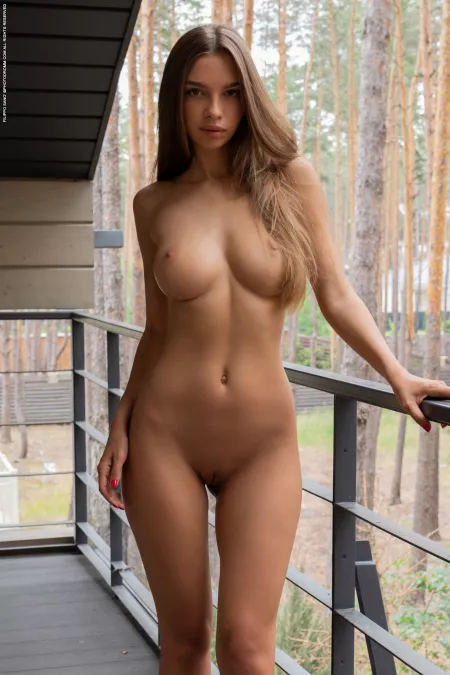
Mating with wild females provides an opportunity for up close observation and photographs, like the one I took of this beauty here. I may be a depraved womanizer, but I am still a scientist.
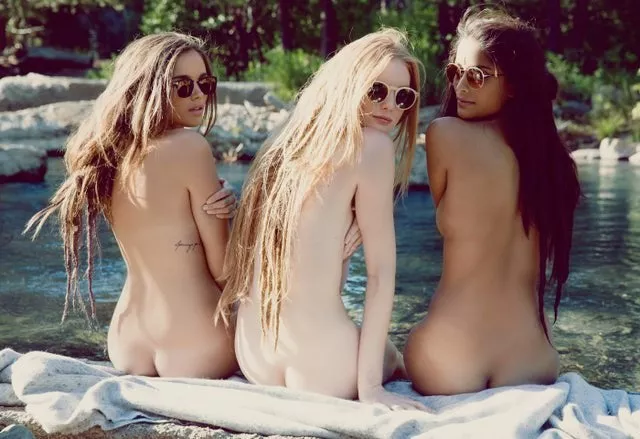
I mated with this couple last breeding season, but it seems neither became pregnant. Now that they're out of heat, they clearly have no desire to try again, and if anything, seem annoyed with me for having wasted their time.
An update on my last post. The newly wild female has been fully accepted by her new Pride, and is already a favorite mating partner of the alpha female. While it's the bottom of the totem poll for now, it's a mighty fine start for her.
We fostered this domestic a while back, but unfortunately weren't able to keep her as she and Peppa fought constantly for dominance. Luckily, her forever home isn't far away, and she's always happy to see me when I pop in for a visit.
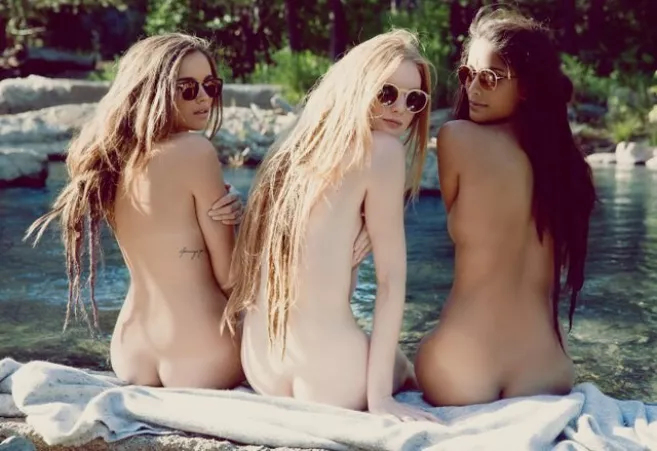
I'm not suppose to attempt to seduce tourists, as what works with wild females is typically frowned upon in polite society. I tried here anyway, and failed completely. If these girls ever end up going wild, I may get a second chance.
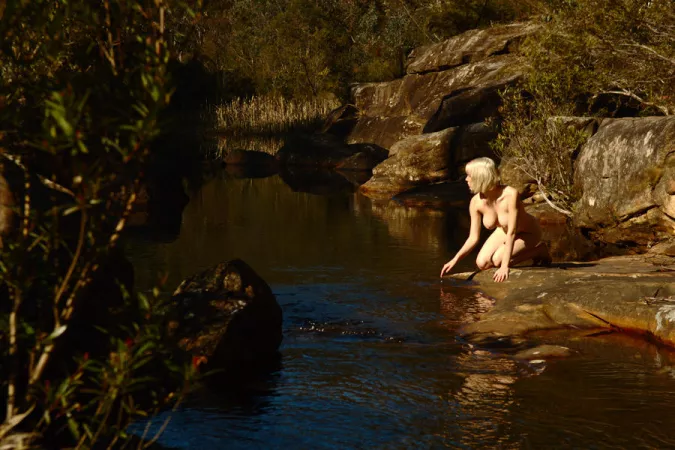
Though most Wild Females stick to foraging, fishing, or scavenging, here we see one in active pursuit of prey. Her necklace indicates she's likely a semi-feral, so it's possible she acquired and retained her hunting skills from her civilized life. Trul
Female researchers are often concerned I'll be a liability out in the field, but once they see how skilled I am at mating with their wild sisters, they accept me as just a fellow researcher and we enjoy each other's company immensely.
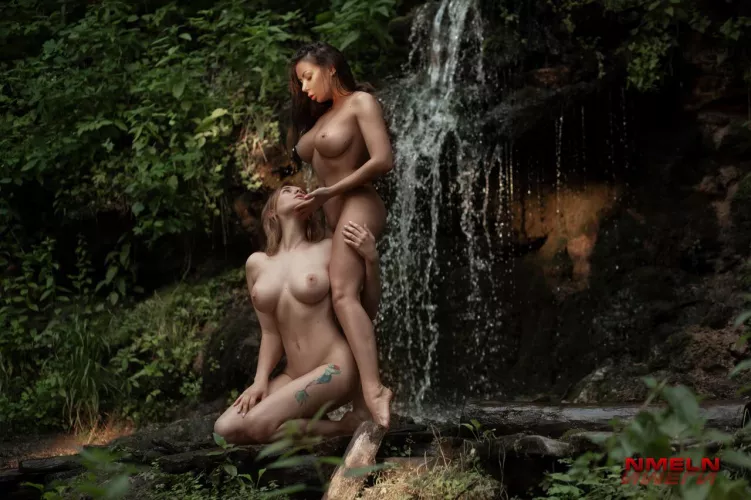
Found these two beauties a bit further down the river. Sadly, my mating display failed to win them over, and I had to settle for observing them mating with one another. Still a very productive day.