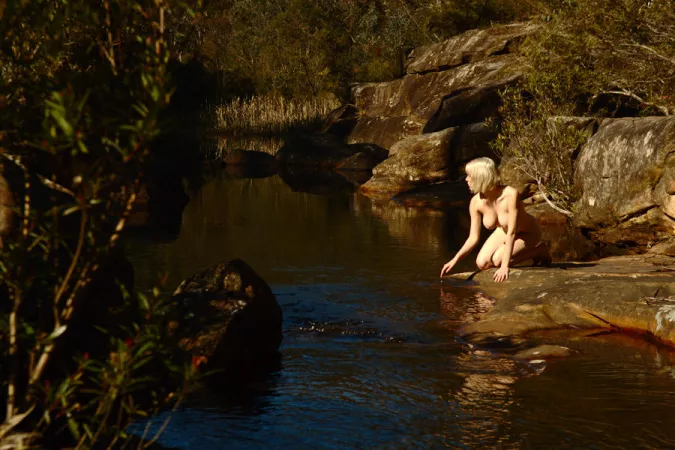
Mating with wild females provides an opportunity for up close observation and photographs, like the one I took of this beauty here. I may be a depraved womanizer, but I am still a scientist.
This stunning lady right here is our wrangler, for dealing with aggressive or territorial wild females. It's less traumatic for them and better optics for us to have a woman do it. Very good optics, I must say.
Quick PSA: There's no such thing as an indoor domestic. Wild Females' instincts compel them to experience nature. Remember to allow your domestic ample time outdoors, or she'll soon go stir crazy and begin to act out.
Wild Females usually love flowers. If you live around the park and are hoping to attract some, either for observation or mating, you should definitely plant a flower garden. Just don't be surprised if they pick a few for themselves.
I'm not suppose to attempt to seduce tourists, as what works with wild females is typically frowned upon in polite society. I tried here anyway, and failed completely. If these girls ever end up going wild, I may get a second chance.
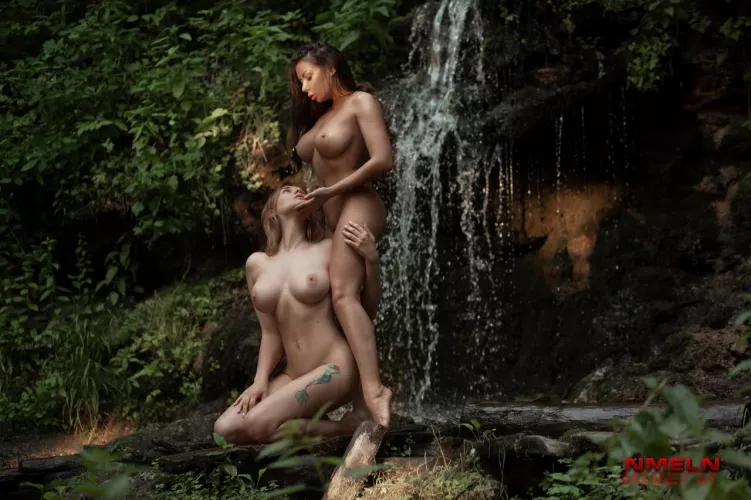
While one might think that such a happy couple of wild females would have no interest in mating with a man, such powerful pairbonds stimulates their instinct to breed. Many of my own wild daughters were born and reared by couples like these two.
Stumbled upon this wildborn in the woods as she emerged from the trees. She's cautious, but if I'm careful not to spook her, I may very well be the first man to mate with her.
An update on my last post. The newly wild female has been fully accepted by her new Pride, and is already a favorite mating partner of the alpha female. While it's the bottom of the totem poll for now, it's a mighty fine start for her.
This female nests on the bluffs overlooking a lake. Every morning, she sits at the edge, sunning herself and carefully inspecting the lake. We don’t know exactly what she is looking for, but she always manages to head to the area of the lake where the
While most females head south for the winter, a select few remain in the northern forests. Only the hardiest females can survive the freezing cold, but the ones that do have their first choice of food, shelter, and mates when the spring thaw begins.
Female researchers are often concerned I'll be a liability out in the field, but once they see how skilled I am at mating with their wild sisters, they accept me as just a fellow researcher and we enjoy each other's company immensely.
Just finished training these two new Junior Researchers in how to properly mate with wild females. They were exceptional students, I must say. While I hate to see them go, I love to watch them leave.